
As a long-time fabricator and installer serving Thousand Oaks and surrounding communities, I’m often asked how a Quartz Countertop influences environmental sustainability. Homeowners want surfaces that look great and last, but they also want to make responsible choices for the local environment and the wider region. In this introduction I’ll set the stage for what matters: raw material sourcing, manufacturing energy, transport distances to and from sites like Thousand Oaks, and the lifespan of the product. My goal is to give clear, practical guidance so you can weigh the true environmental trade-offs when considering an installation in your home.
Quartz Countertop and Raw Material Sourcing
Quartz surfaces are engineered stone, blending natural quartz with resin and pigments. The quartz itself is abundant and mined in many parts of the world, but the environmental footprint depends on how the material is extracted and whether local or distant sources are used. Transporting raw materials long distances increases fossil fuel use, so choosing manufacturers that optimize logistics can reduce impacts. As an expert in Thousand Oaks, I recommend asking suppliers about the origin of their quartz and whether they track embodied carbon. Small choices at this stage—favoring responsibly sourced quartz and efficient shipping—can add up across an installation.
Manufacturing, Energy Use, and Emissions
The process of turning quartz and resin into durable slabs involves crushing, blending, casting, and curing under pressure. Different manufacturers use different energy mixes; some run on grid electricity with high fossil fuel content, while others incorporate renewable sources. The resin component is petrochemical-based, which adds a layer of environmental concern related to production and VOCs. However, modern production techniques focus on reducing waste and improving curing efficiency. When assessing environmental impact, I encourage Thousand Oaks homeowners to ask fabricators about waste management practices, water use, and measures to minimize VOC emissions during finishing.
Durability, Longevity, and Waste Reduction
One important environmental advantage of engineered quartz is longevity. Because quartz resists staining, scratching, and heat better than many natural stones or laminate materials, a well-maintained surface can last decades. That extended lifespan reduces the need for replacement and the associated embodied energy of manufacturing and transport. Proper maintenance—using recommended cleaners and avoiding harsh chemicals—keeps a surface functional longer. From an eco-conscious perspective, a longer-lasting Quartz Countertop is often a better decision than frequently replacing cheaper materials that generate more waste over time.
Recycling and End-of-Life Considerations
End-of-life options for quartz are improving but remain limited. Engineered stone can be crushed and reused in secondary applications, such as road base or decorative aggregate, but the presence of resins complicates recycling compared with pure natural stone. Some fabricators are starting take-back programs or partnering with recycling services to divert slabs from landfills. As a Thousand Oaks expert, I recommend evaluating local recycling capabilities and asking installers whether they participate in material recovery efforts. Choosing a supplier who considers end-of-life scenarios helps minimize landfill contributions.
Local Factors: Thousand Oaks, CA and Regional Transportation
Local factors matter. In Thousand Oaks, concerns like wildfire risk, water conservation, and local air quality shape material choices. Transport distances to suppliers or manufacturing centers affect emissions, especially when slabs move long distances from overseas quarries to West Coast distribution hubs. Working with regional fabricators or distributors can reduce trucking miles and the carbon footprint tied to delivery. Additionally, installers who coordinate schedules to minimize repeat trips offer a small but meaningful environmental benefit at the local scale.
Indoor Air Quality and Installation Practices
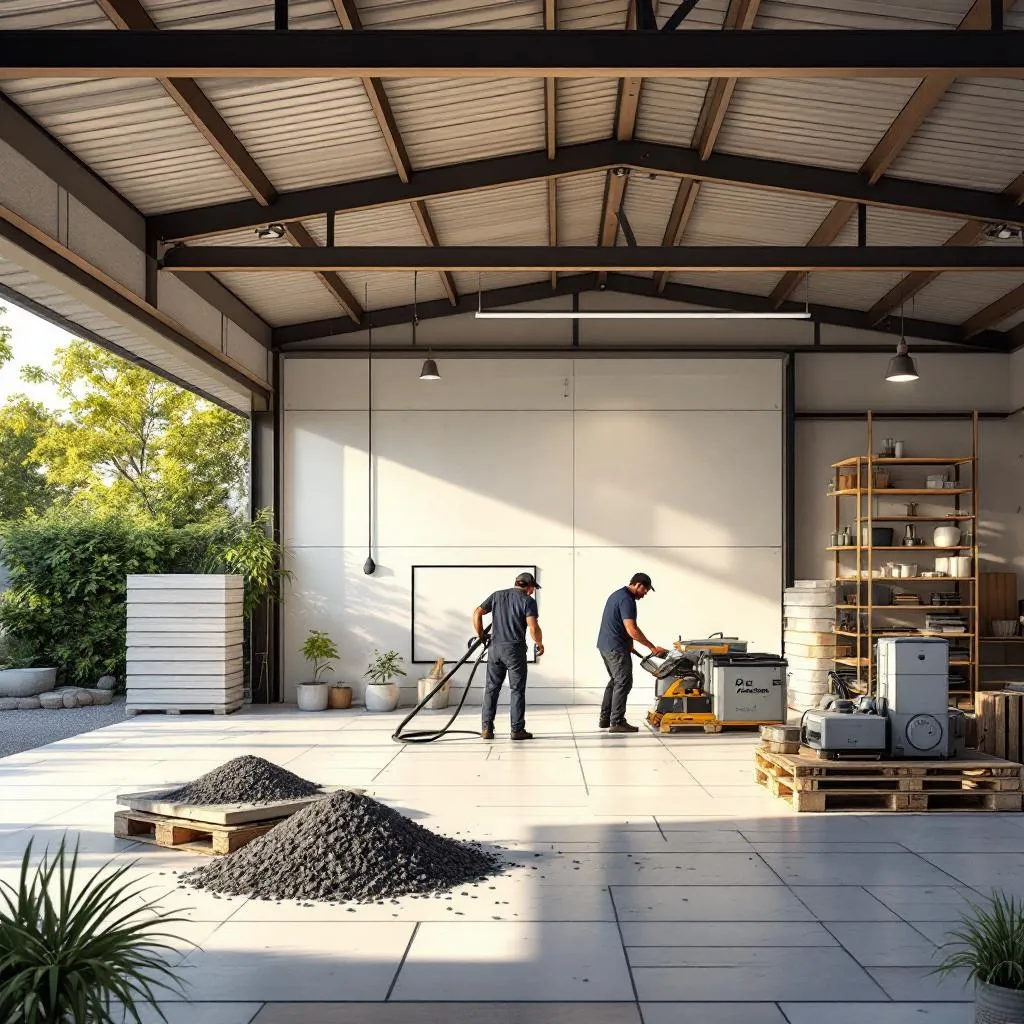
Installation and fabrication activities can influence indoor air quality. Cutting, grinding, and polishing produce dust, and while quartz itself is largely inert once sealed, uncontrolled silica dust during fabrication is a health concern for workers. Reputable fabricators employ wet cutting, dust collection systems, and proper PPE to protect their teams and reduce airborne particulates. For homeowners, ensuring that the installation crew follows best practices preserves not only worker safety but also your family’s indoor air quality during and after the project.
Balancing Aesthetics, Function, and Environmental Responsibility
Choosing the right surface is a balance of looks, function, and environmental responsibility. Quartz offers a predictable, low-maintenance option that can reduce material turnover and waste over time. If you care about minimizing environmental impact, prioritize suppliers with transparent sourcing, energy-efficient production, and thoughtful end-of-life strategies. These considerations often make a meaningful difference when comparing engineered quartz to alternatives.
Practical Steps for Thousand Oaks Homeowners
Start conversations early: ask where materials are sourced, what energy the manufacturer uses, and how they handle waste. Request information about VOC emissions, fabrication controls, and take-back programs. Compare local fabricators on their practices rather than price alone. When you see a project you like, you can also ask the installer whether they procure slabs regionally to reduce transport emissions. Small choices like these compound into a lower environmental footprint for your renovation or new build.
FAQ
Q: Is a Quartz Countertop environmentally friendly?
A: Engineered quartz can be a sustainable choice when sourced and manufactured responsibly. Its durability reduces replacement frequency, which often leads to lower long-term environmental costs than less durable surfaces. Evaluate the manufacturer’s energy and waste practices for a full picture.
Q: Can quartz be recycled?
A: Recycling options are growing but remain limited. Some fabricators partner with recycling services to repurpose quartz waste into construction aggregate or decorative materials, but resin content complicates recycling compared with pure stone.
Q: How do I reduce environmental impact when installing quartz?
A: Choose regional suppliers to cut transport miles, work with fabricators who use dust suppression and efficient curing methods, and prioritize installers who recycle or responsibly dispose of old materials.
Next steps for homeowners in Thousand Oaks
If you’re weighing options for a kitchen or bathroom surface, I’m happy to help evaluate environmental factors alongside aesthetics and durability. Learn more about practical choices and local fabrication by visiting Quartz Countertop and asking specific questions about sourcing and end-of-life plans. Choosing thoughtfully will give you a beautiful surface that aligns with your environmental values.
Dr. Ahdout
2300 Corporate Center Dr, Thousand Oaks, CA 91320, United States
Phone: Find us on Google Maps