
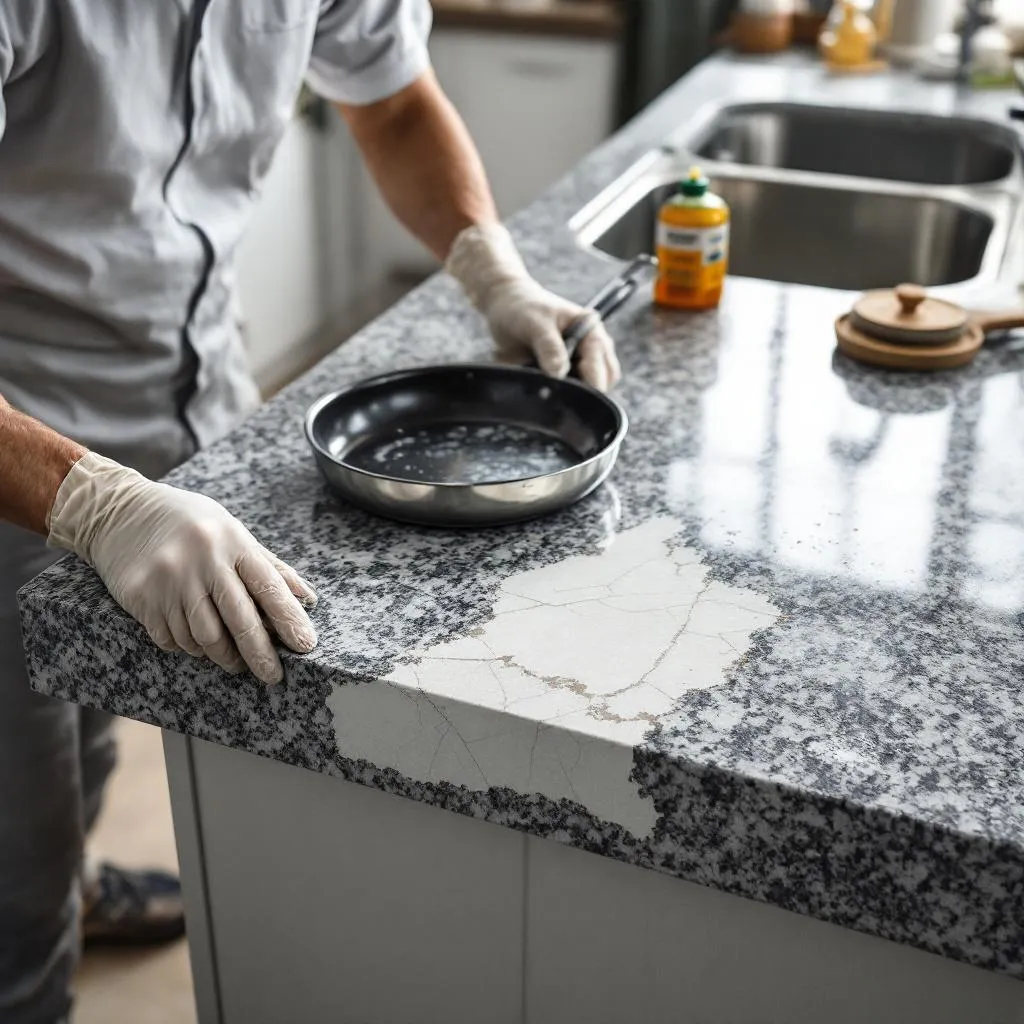
As a countertop store expert serving Los Angeles, CA and Thousand Oaks, CA, I often hear the same concerns from homeowners: why did my beautiful Granite Countertop chip, stain, or crack when it was supposed to last a lifetime? Granite is incredibly durable, but it’s not indestructible. In this piece I’ll walk through the most common causes of damage I see in our region, explain how environmental and everyday household factors interact with natural stone, and share practical ways to reduce risk without sacrificing the look you love.
Why natural stone sometimes fails in Southern California
Granite is an igneous rock made of interlocking crystals, and that crystalline structure is what gives it strength. Still, variations in mineral composition, natural fissures, or hairline veins can create vulnerable spots. In coastal areas of Los Angeles and inland communities like Thousand Oaks, temperature swings, exposure to sunlight, and occasional seismic activity all play a role in weakening those subtle weaknesses over time. When a slab has a hidden micro-fracture or a thin vein of softer minerals, a heavy impact or prolonged exposure to a harsh chemical can turn that small flaw into a more visible problem.
Common mechanical causes of damage
Physical impact is a leading cause of chipped edges and surface fractures. Dropping heavy cookware, striking an edge with a hard object, or sliding dense appliances across a surface can produce concentrated force that the stone can’t disperse. Another mechanical problem comes from improper support. Long overhangs without adequate bracing or undermount sinks installed without proper substrate can create flex and eventual cracking under repetitive load. In kitchens where islands serve as casual seating, children and adults sitting or leaning on unsupported corners increase stress in ways homeowners often don’t notice until a crack appears.
Chemical and staining hazards to watch for
Granite is less porous than some other natural stones, but it will absorb oils, acids, and pigments if not sealed properly. Common culprits include citrus juices, wine, oils, and certain household cleaners with high acidity or alkalinity. Left unchecked, these substances can etch the polished surface or leave dark stains that are difficult to remove. Even products marketed as “safe for stone” can be overly abrasive or contain solvents that break down sealers, so it’s important to use only recommended cleaners and to reapply sealer according to manufacturer guidance and local climate considerations.
Installation mistakes that shorten lifespan
Too often I see damage that traces back to rushed or poor installation. An incorrectly leveled cabinet, inadequate adhesive, or seams that aren’t properly supported can all become failure points. Granite slabs are heavy, and a professional installation that accounts for cabinet strength, sink cutouts, and the natural expansion and contraction of materials is essential. When installers ignore these details, a seemingly small adjustment in load distribution can lead to stress fractures months later, especially after repeated thermal cycles in sunny Southern California kitchens.
Environmental impacts specific to Los Angeles and Thousand Oaks
Our Mediterranean climate introduces unique concerns. Intense afternoon sun can fade or alter the appearance of certain finishes, and dryer air can make sealers wear faster than they would in more humid climates. Additionally, areas nearer to the coast might contend with salt air that accelerates corrosion on metal anchors or fixtures attached to the stone, indirectly contributing to loosening or cracking. We also advise clients in seismic zones to ensure that heavy stone islands and large slabs are anchored appropriately to resist sudden movement.
How daily habits affect long-term beauty
Small daily habits add up. Cutting directly on granite will dull knives and eventually scratch the stone; placing hot pans without a trivet stresses the surface and the resin in some finishes; using abrasive scrubbers scuffs the polish. Even leaving wet sponges or cloths on the surface can promote staining around sink areas. I recommend forming simple routines—use cutting boards, trivets, gentle pH-neutral cleaners, and blot spills quickly—to keep your stone performing at its best for decades.
Repair options and when to call an expert
Not all damage is permanent. Minor chips and surface etches can often be repaired or minimized by a professional who can match polish and resin fills. Deeper cracks may require structural stabilization, countertop replacement, or a creative redesign of the affected area. If you’re unsure about the severity of a defect, bringing a photo or arranging an in-home assessment can help determine whether a repair, re-seal, or full replacement is the best course. For residents across the region, we’ve found that addressing issues early prevents more invasive problems later.
Preventive maintenance tailored to local homes
Maintenance is simple but important. Regularly cleaning with a soft cloth and a stone-safe cleaner, reapplying a high-quality sealer periodically, and protecting high-traffic edges with cautious use will prolong the life of your counters. For people who love entertaining or who use their kitchens heavily, choosing a finish and edge profile that hides wear is also a smart strategy. If you’re considering a new installation or upgrade, our showroom and field teams are happy to explain material differences and recommend finishes that suit both style and lifestyle.
Midway through this conversation about wear and protection, it’s worth noting that routine inspections can flag issues before they worsen. If you’ve noticed hairline changes, ask a professional to examine your surface and recommend local remedies or reinforcement. The right intervention can save you time and preserve the look of your Granite Countertop for years.
Frequently asked questions
Q: Can small chips be repaired without replacing the slab?
A: Yes. Many small chips and surface scratches can be repaired by a stone technician who uses color-matched epoxy fills and careful polishing. The repair will be less visible if performed soon after the damage occurs.
Q: How often should I reseal my granite in Thousand Oaks and Los Angeles?
A: It depends on the sealer type and usage patterns, but generally every one to three years is common. In our dry Southern California climate, frequent resealing can help maintain stain resistance and surface integrity.
Q: Is heat really a problem for granite?
A: Granite tolerates heat better than many engineered surfaces, but sudden and repeated exposure to hot pans can stress sealers and, in rare cases, cause thermal shock in compromised areas. Using trivets is a low-effort habit that prevents most issues.
If you’re concerned about a specific spot, stain, or crack, schedule an assessment with our team. We’ll evaluate the condition, explain repair versus replacement options, and help you choose finishes and maintenance routines that match your home’s use and aesthetic. Protecting your investment starts with understanding how damage happens and then applying sensible precautions that fit everyday life. Reach out to learn more about caring for your Granite Countertop and keeping it looking its best in Thousand Oaks and Los Angeles.
2300 Corporate Center Dr, Thousand Oaks, CA 91320, United States
Phone: +1 +(805) 375-2771