
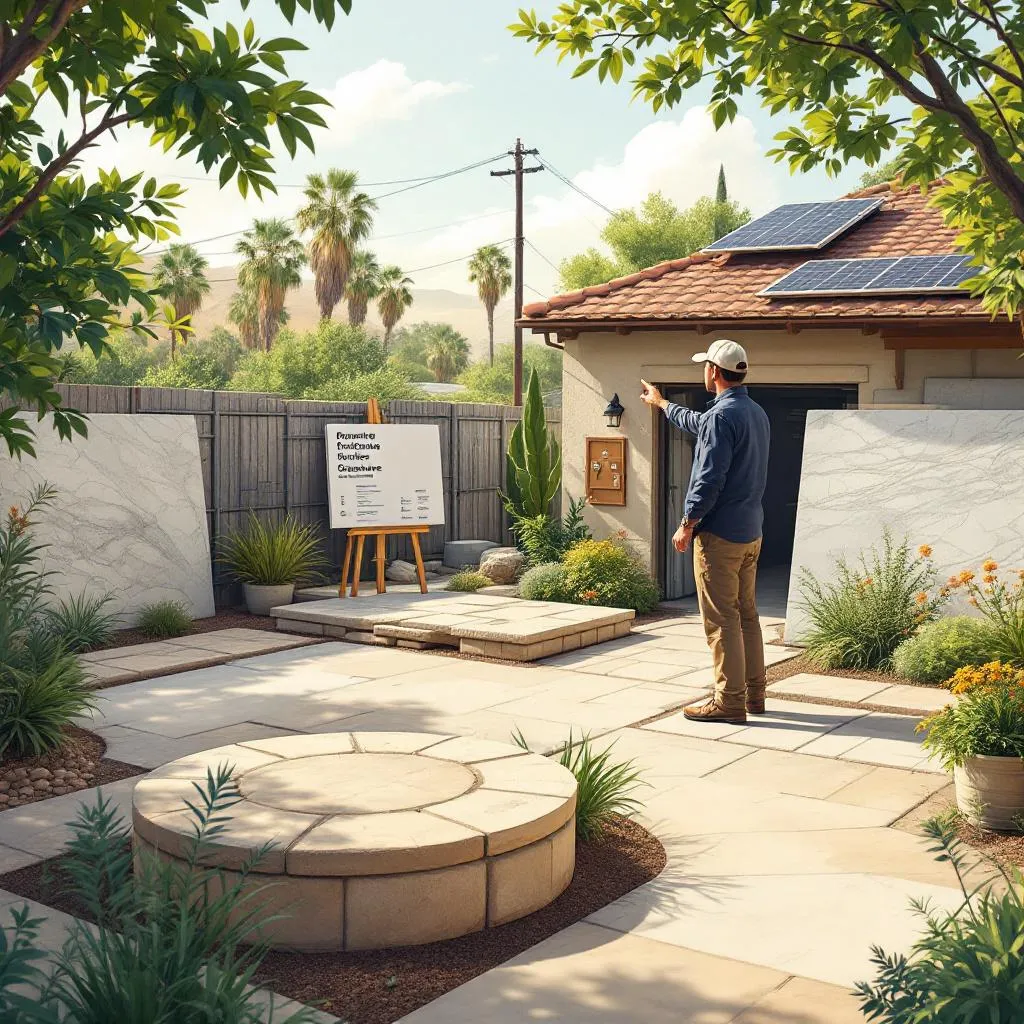
As a local countertop expert in Thousand Oaks, I often get asked how a Granite Countertop affects the environment and what homeowners here can do to make sustainable choices. Over years of specifying, fabricating, and installing stone for kitchens and baths across Ventura County, I’ve learned that the environmental story is nuanced: it depends on quarry practices, transportation, installation methods, and how long the material remains in service.
Granite Countertop environmental considerations
Granite is a natural stone, which means its extraction begins with quarrying. That process can disturb ecosystems and require significant energy for blasting, cutting, and hauling. In Thousand Oaks, where open space and watershed protection are local priorities, understanding a quarry’s reclamation practices is essential. Responsible quarries plan for rehabilitation, controlling runoff, preserving native plants where possible, and reducing dust and noise during operations.
Transportation matters too. Because granite is heavy, moving slabs from the quarry to a fabrication shop and then to a home adds to the carbon footprint. Choosing locally sourced stone reduces miles traveled and associated emissions. Where local options are limited, consolidation of shipments and efficient routing help lower impacts. In my projects, I prioritize suppliers who can document their logistics and minimize unnecessary freight.
Durability, repairability, and long-term impacts
One of the strongest environmental arguments for granite is its longevity. A well-maintained granite surface can last for decades, outliving many manufactured materials that require replacement and thus more frequent embodied energy expenditures. Granite’s durability reduces waste and the need for replacement products over a home’s life. When small chips or stains occur, many repairs are possible without full replacement, which preserves the embodied energy already invested in the stone.
Maintenance practices influence both the performance and environmental footprint of granite. Using mild, pH-neutral cleaners and resealing porous surfaces only as needed keeps countertops in service longer and avoids harsh chemicals. Proper installation—level substrates, correct adhesive selection, and professional edge finishing—prevents premature failures that would otherwise generate waste.
Sourcing responsibly and supporting good practices
Not all granite is created equally in terms of environmental stewardship. Certifications and supplier transparency can help you make better choices. Ask suppliers about their quarry rehabilitation plans, energy sources used in processing, and waste management strategies. I encourage Thousand Oaks homeowners to look for fabricators who recycle water used in cutting operations and who responsibly manage slurry and stone offcuts. Choosing nearby fabrication shops and installers reduces transport emissions and supports the local economy.
In my experience, balancing aesthetics, performance, and environmental concerns often leads homeowners to favor granite for its timeless look and low lifecycle impact when compared to materials requiring frequent replacement. If you want to see options in person, I can point you to local slabs and show you how to evaluate provenance and finish without guessing. For many projects I recommend a Granite Countertop because it hits the sweet spot between beauty and durability when sourced thoughtfully.
Practical steps for greener granite choices
Start by asking questions: where was the stone quarried, how was it transported, and what does the fabricator do with waste? Consider salvaged or remnant slabs for smaller applications to reduce demand for newly quarried stone. When installing in Thousand Oaks homes, prioritize local fabricators who run closed-loop water systems and who have clear plans for recycling stone scraps. Also consider the synergy of choosing long-lasting materials across the house—durable floors, cabinets, and countertops together extend the overall life of the build and reduce waste over time.
FAQ
Q: Is granite environmentally friendly compared to engineered alternatives?
A: Granite can be environmentally advantageous because it is long-lasting and often requires minimal maintenance. Engineered alternatives may contain resins and require energy-intensive manufacturing. The key is lifecycle thinking: if a material lasts longer with less frequent replacement, its overall footprint can be lower.
Q: How can I verify where the granite was quarried?
A: Reputable suppliers and fabricators should provide provenance information. Ask for quarry names, processing locations, and any environmental or social responsibility documentation. If provenance isn’t available, consider choosing a supplier who is transparent about their supply chain.
Q: What maintenance reduces environmental impact?
A: Use gentle cleaners, avoid unnecessary sealing, and repair damage promptly. Proper maintenance reduces the need for replacement and limits the use of harsh chemicals that can harm the environment.
Q: Can granite be recycled or reused?
A: Yes. Offcuts and demolition pieces can be repurposed for smaller projects, tiles, or landscaping, and some fabricators use stone waste in composite products. Reuse and recycling reduce demand for new extraction.
If you’re planning a kitchen or bath remodel in Thousand Oaks and want guidance that balances environmental responsibility with lasting elegance, consider a Granite Countertop. I can help evaluate slab provenance, recommend local fabricators who follow best practices, and walk you through maintenance strategies that minimize long-term impacts while preserving beauty. Contact me to discuss options and schedule a consultation tailored to your home and environmental priorities.
Arena Marble and Granite
2300 Corporate Center Dr, Thousand Oaks, CA 91320, United States
Phone: +1 (805) 375-2771