
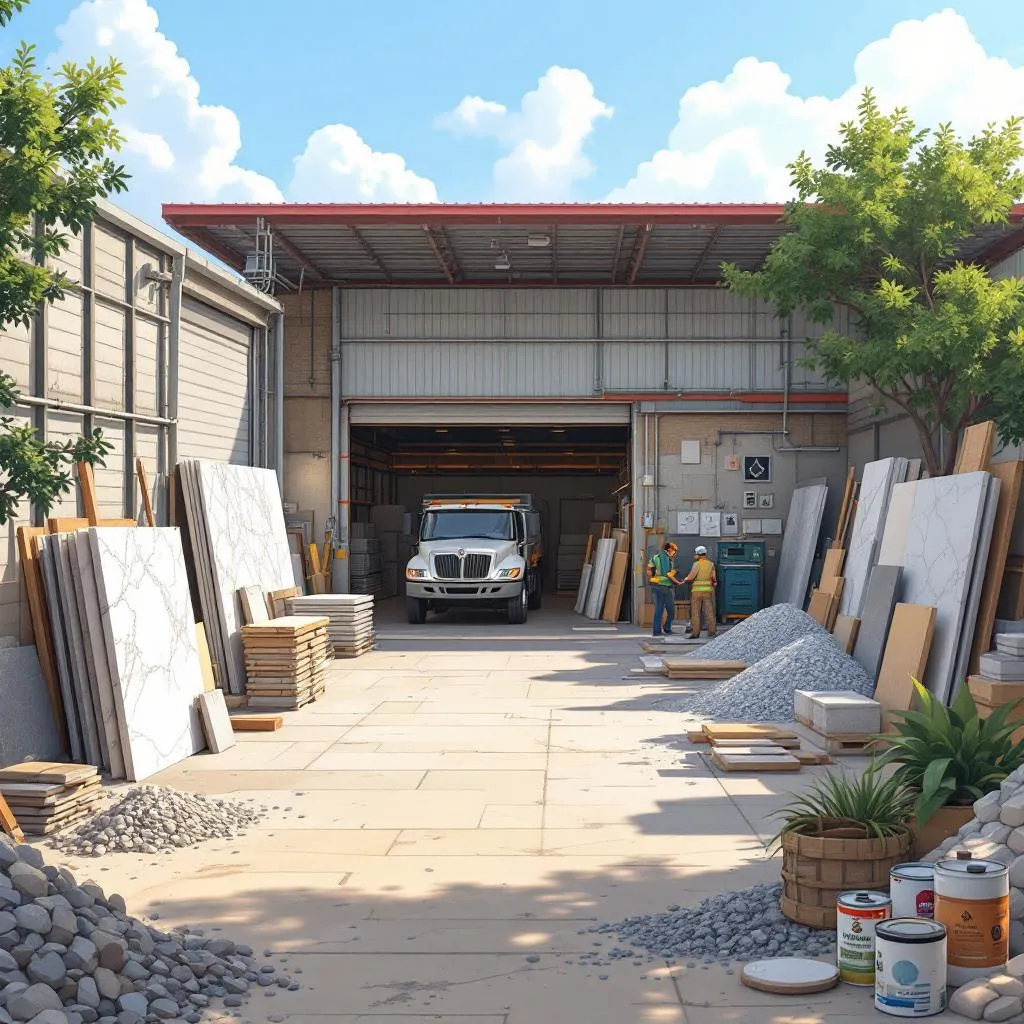
As a countertop store expert serving Los Angeles and Thousand Oaks, I often get asked about the environmental footprint of a Granite Countertop and what it means for homeowners who care about sustainability. Choosing stone is both a design and environmental decision; understanding quarrying, transport, installation, and long-term performance helps you weigh the true impact. In this piece I walk through practical considerations specific to our Southern California climate and markets, with guidance you can use when planning a remodel.
Granite Countertop: Environmental Considerations
Granite is a natural igneous rock, quarried from the earth in large blocks that are then sawn, polished, and finished. The extraction process requires heavy machinery and energy, and there are local and global implications depending on where the stone originates. Embodied energy—meaning the energy consumed to extract, process, and transport the material—can be significant, particularly when stone is imported from distant quarries. That said, granite’s longevity offsets some of those impacts: countertops that last decades reduce the need for replacement materials and the additional embodied energy associated with them.
When thinking about sustainability, it helps to compare granite with alternative surfaces. Some manufactured materials have lower upfront extraction impacts but shorter lifespans or contain petrochemical elements that complicate recycling. Granite is inert, resists chemical breakdown, and can be repurposed or crushed for aggregate at the end of its lifecycle. Proper sealing and maintenance also preserve its appearance and postpone replacement, reducing cumulative environmental cost over the life of a home.
Local Sourcing, Transport, and Carbon Footprint
Where the stone is quarried matters for carbon footprint. Transporting heavy slabs across oceans and continents increases emissions. In Los Angeles and Thousand Oaks, homeowners can reduce transportation impacts by selecting locally stocked slabs or choosing suppliers that disclose quarry origins and transportation methods. Many regional fabricators work with warehouses that import a variety of granites but hold inventory nearby, which lowers the last-mile impact. Asking questions about origin and supply chain helps you make an informed choice without compromising style.
Another practical consideration is the energy used in fabrication. Modern shops employ efficient saws and dust-control systems, and some use renewable energy sources. When you speak with your fabricator or retailer, ask about their shop practices and how they manage waste and water during polishing. A few simple choices at the procurement stage can meaningfully reduce the environmental footprint of a granite installation.
Indoor Air Quality and Chemical Use
Some homeowners worry that a stone surface might off-gas or release VOCs. Granite itself is inert and does not emit VOCs, but some sealants and adhesives can. Choose water-based sealers and low-VOC adhesives to minimize indoor air quality concerns, particularly if you have sensitivities or young children. Proper installation—drying time, ventilation during work, and choosing materials tested for low emissions—ensures that a beautiful stone surface also supports a healthy interior environment.
Maintenance routines also matter. Avoid harsh chemical cleaners that break down sealants and shorten the life of the finish. With gentle, appropriate care, a granite surface can maintain function and aesthetics for decades, which is one of the clearest sustainability advantages of natural stone.
Design Lifespan, Reuse, and End-of-Life
One of granite’s most compelling environmental attributes is its longevity. A well-installed slab often outlasts the other elements in a kitchen, such as cabinetry or appliances, which means the material’s embodied energy is amortized over a long period. When a remodel eventually occurs, granite can be salvaged for reuse in other projects or crushed for construction aggregate, avoiding landfill in many cases.
As an expert in the region, I advise homeowners considering a stone upgrade to prioritize slabs that match enduring design preferences and to work with fabricators who plan for safe removal and potential reuse. That kind of forward planning supports circularity and reduces long-term impacts on landfills.
Balancing Aesthetics, Durability, and Environmental Goals
In practice, choosing a countertop is a balance. A stone that fits your aesthetic and performs well for decades may be the most sustainable option because it postpones replacement. Some homeowners pair granite with recycled or reclaimed materials elsewhere in the kitchen to balance embodied impacts. Others choose slabs from quarries with responsible reclamation practices. When you engage a trusted local supplier, you gain access to information about provenance and can select options that align with your environmental values.
For those who want to see examples in person, visiting a showroom in Los Angeles or Thousand Oaks provides perspective on thickness, finish, and edge profiles that influence the amount of stone used. Educational conversations with your fabricator about waste minimization during templating and cutting are also worthwhile; small changes in layout can save significant material over time.
FAQ
Q: Is a Granite Countertop environmentally friendly? A: Granite has environmental trade-offs: quarrying and transport consume energy, but the material’s longevity, durability, and potential for reuse often make it a strong long-term choice for sustainability-conscious homeowners.
Q: Will granite affect my indoor air quality? A: The stone itself is inert, but sealers and adhesives can carry VOCs. Choosing low-VOC products and ventilating during installation minimizes any indoor air concerns.
Q: Can granite be recycled or reused? A: Yes. Granite can be salvaged for new installations or crushed for aggregate. Working with fabricators who offer deconstruction planning improves reuse potential.
Q: How can I reduce the carbon footprint of my stone countertop? A: Select locally stocked slabs when possible, ask about fabrication energy sources, and opt for efficient transportation and responsible waste management practices from your supplier.
Q: Does maintenance influence environmental impact? A: Absolutely. Gentle cleaning and proper sealing extend the life of the surface and reduce the frequency of replacement, lowering cumulative environmental costs.
As you weigh options for your kitchen or bath in Thousand Oaks and Los Angeles, think of the countertop as part of a home system—its durability, care, and end-of-life plan are as important as the visual appeal. If you would like to explore slabs, finishes, and responsible suppliers in our area, I’m happy to help you find options that align with both your design goals and environmental values.
For hands-on guidance and to view responsibly sourced slabs, consider visiting our showroom to discuss how a Granite Countertop fits into your project and sustainability goals — we’ll walk you through provenance, fabrication practices, and maintenance to make the best long-term choice for your home.
If you’re ready to start planning, our team can help you select durable materials that perform in Southern California’s climate and match your environmental priorities. We’ll provide expert advice on sourcing, sealing, and preservation so your new surface remains beautiful for decades. Contact us to schedule a consultation and see stone samples in person: Granite Countertop
Dr. Ahdout
2300 Corporate Center Dr, Thousand Oaks, CA 91320, United States
Phone: +1 +(805) 375-2771