
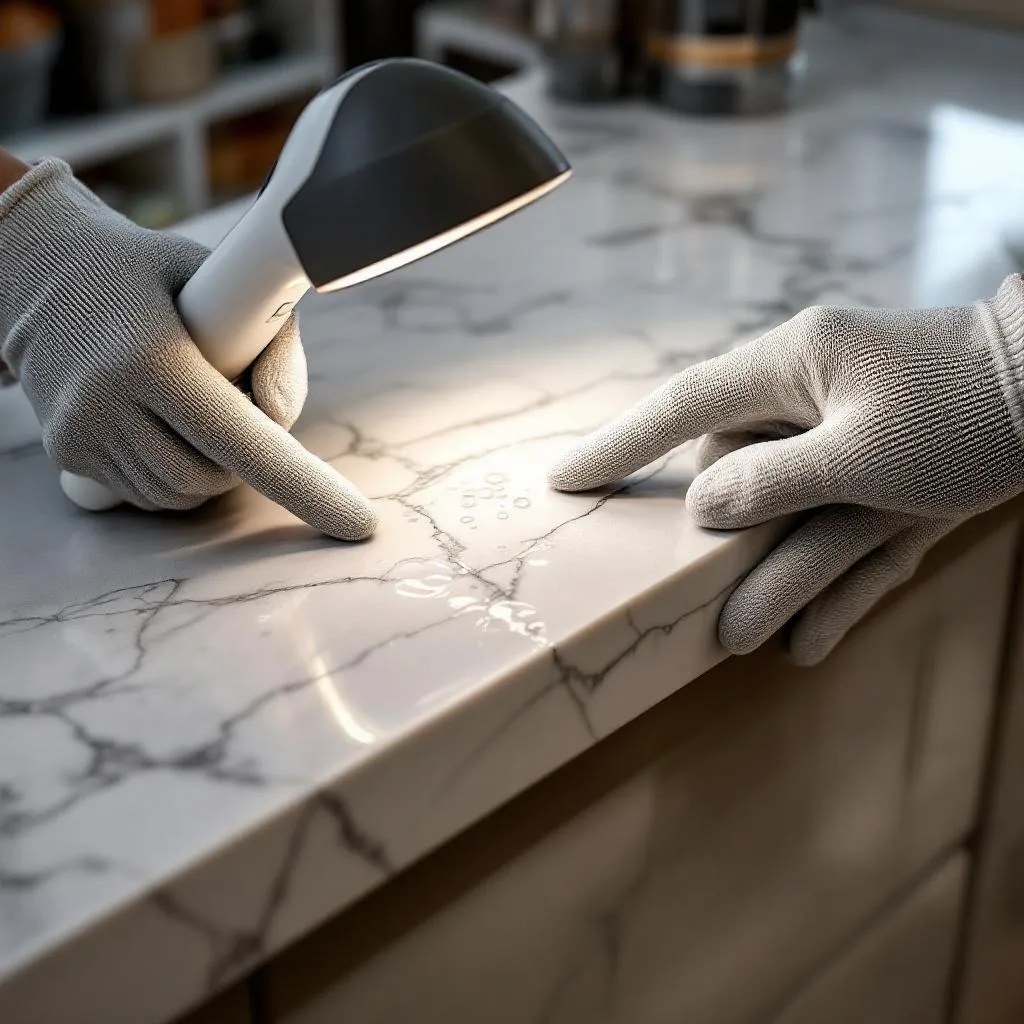
As a local stone care specialist I often talk with homeowners in Thousand Oaks about how to spot trouble before it becomes a costly repair. The moment you recognize the word Marble Countertop in your kitchen or bathroom, you should also start thinking about maintenance, wear patterns, and the specific environmental factors that affect natural stone in our area. Early recognition makes a huge difference in preserving beauty and function, and for many clients I explain the nuances of care and when to call a professional. I also refer to trusted resources like Marble Countertop when discussing materials and finishes during consultations.
Signs Your Marble Countertop Needs Attention
Marble can develop visible signs of stress long before structural failure occurs. Faint hairline cracks, persistent etching from acidic spills, dull patches where the polish has worn away, and staining that penetrates beyond the surface are common indicators. Some issues are cosmetic while others can signal deeper problems; for example, spiderweb cracks around sinks may show movement in the substrate, while isolated etching often points to surface chemical damage. When I inspect a countertop, I look for patterns that point to causes—whether daily habits, improper sealants, or installation irregularities.
How Thousand Oaks Climate and Use Affect Marble
The Mediterranean climate around Thousand Oaks, with warm, dry summers and cooler, wetter winters, influences how marble ages. Heat can expand adhesives and substrates and make thin fissures more visible, while occasional moisture can find its way into seams or below the surface if the sealant has degraded. Everyday activities—placing hot pans, prepping acidic foods, or using harsh cleaners—accelerate wear. Understanding how local conditions interact with your particular slab helps us recommend realistic maintenance schedules and targeted repairs that will stand up to the environment here and in nearby neighborhoods.
Common Problem Areas and What They Mean
Sinks, backsplashes, and island edges are natural trouble spots. Around sinks you will often find stains or dulling from water, soap, and minerals. Backsplashes reveal splashes and splatters from cooking; over time these accumulate and can cause discoloration if not addressed. Edges receive the most physical contact—knocks, scrapes, and chips typically start at corners. Observing where problems cluster tells a lot: clustered chips suggest impact damage while even, widespread dulling points to finish erosion. That diagnostic approach helps determine if a simple polish or a more extensive repair is necessary.
Inspection and Simple At-Home Tests
Before calling a professional, there are safe ways to assess the condition of marble. Use a soft cloth and mild soap to clean a test area; if stains persist after cleaning, they may be deep-set. A drop of lemon or vinegar on an inconspicuous area will show etching quickly (it will matt the finish), though I caution against frequent acid testing because it can harm the stone. Look at seams under strong light to check for separation and run your fingers along edges to feel for instability. These basic checks reveal whether the problem is surface-level or something that needs a stone restoration expert.
Repair Options and Professional Restoration
When problems go beyond cleaning and resealing, professional restoration offers several solutions. Light etching and minor scratches can often be polished out to restore shine; deeper scratches or chips require filling and precise color-matching to blend with the surrounding stone. For structural concerns like sustained cracking or substrate movement, relocation of the countertop or reinforcement might be necessary. A qualified stone technician will match repair techniques to the type and cause of damage so you avoid repeated problems.
Preventive Care to Extend Lifespan
Prevention is the most cost-effective strategy. Simple routines—wipe up spills promptly, use cutting boards and trivets, and apply an appropriate sealant at recommended intervals—preserve marble’s look and durability. I also encourage homeowners to use gentle, pH-neutral cleaners and avoid DIY abrasive pads. For those who want a quick reference while shopping for supplies or services, I recommend reviewing reputable material guides and talking with local specialists who understand how Marble Countertop maintenance differs in Southern California climates.
Frequently Asked Questions
Q: How can I tell if a stain is permanent or removable?
A: Test by cleaning the area with mild soap and water; persistent discoloration after cleaning usually means the stain has penetrated the stone and may require poulticing or professional treatment.
Q: Are all marbles equally prone to etching?
A: No. Softer, more calcitic marbles etch more easily than harder stones. The finish and degree of polish also affect susceptibility; honed surfaces show etching differently than highly polished ones.
Q: When should I call a restoration professional?
A: Call a professional when stains, etches, chips, or cracks do not respond to gentle cleaning or when you suspect movement under the slab. Early professional intervention often preserves more of the original material.
If you notice troubling signs or want an expert assessment, don’t wait until the problem worsens. A careful inspection and targeted restoration can often restore beauty and function without full replacement. For homeowners who prefer to consult a trusted resource and local professionals, consider speaking with specialists who handle Marble Countertop projects in Thousand Oaks and surrounding communities. When you’re ready to schedule an evaluation or learn more about maintenance plans, reach out and we’ll guide you through the best options for your stone.
Marble Countertop care is an investment in longevity and appearance—contact us for tailored advice and experienced restoration services.
Dr. Ahdout
2300 Corporate Center Dr, Thousand Oaks, CA 91320, United States
Phone: Find us on Google Maps