
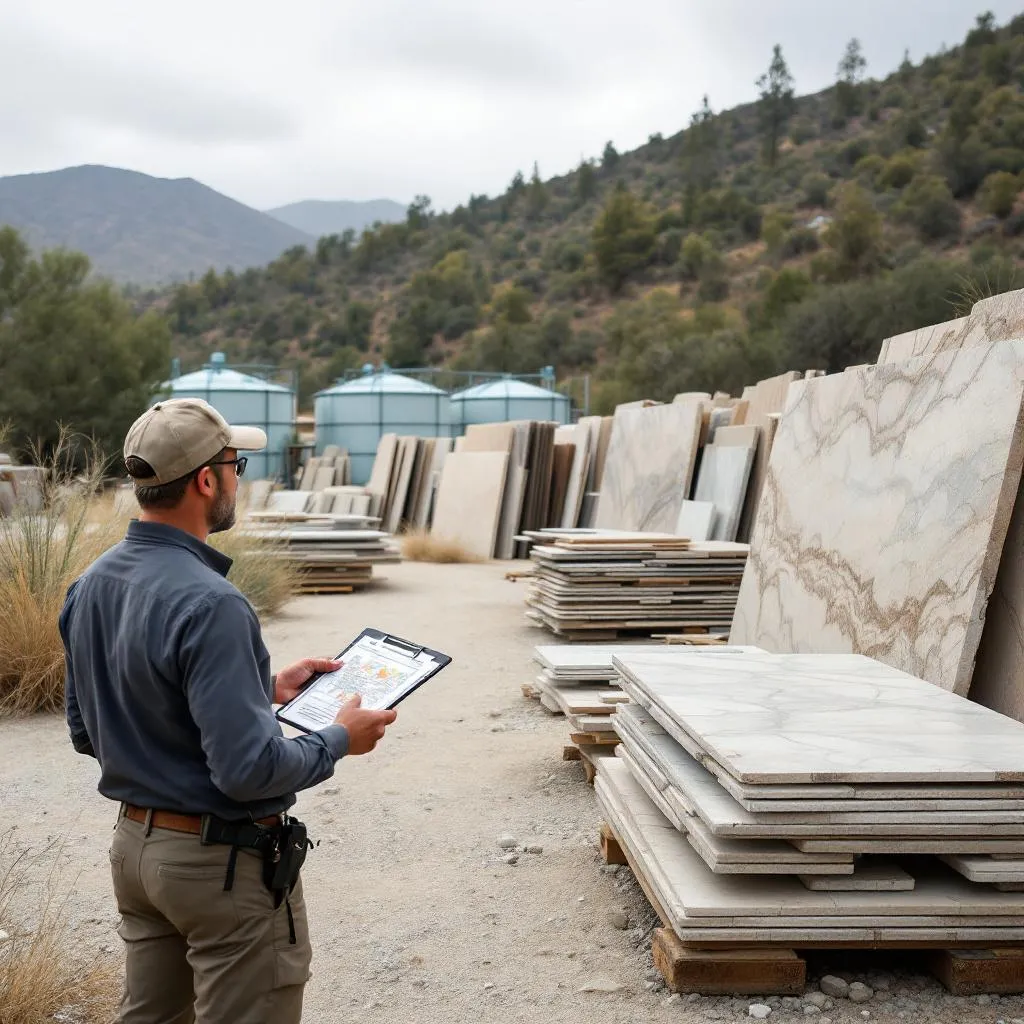
As a Thousand Oaks-based expert who has worked with homeowners and designers across Ventura County, I often get asked how different stone choices affect the environment. When homeowners ask about durability, beauty, and long-term impact, one material that comes up again and again is Quartzite Countertop, and for good reason. In this introduction I’ll outline the environmental story of quartzite as it relates to sourcing, production, installation, and end-of-life considerations for families in Thousand Oaks, CA and surrounding Los Angeles communities.
Environmental Benefits of Quartzite Countertop
Quartzite is a natural metamorphic stone formed under heat and pressure, and its inherent durability means surfaces last for decades with proper care. That longevity reduces the frequency of replacement compared with many softer stones or man-made materials, which in turn lowers the cumulative environmental cost over a home’s lifetime. In Thousand Oaks, where homeowners value both performance and eco-aware choices, quartzite can be a responsible selection when the supply chain and installation practices are managed thoughtfully.
Extraction, Transportation, and Local Factors
Mining any natural stone has environmental implications, from habitat disruption to energy used in extraction. The real impact often comes down to transportation distance and quarry practices. When quarries operate with reclamation plans and local regulations are enforced, the damage can be mitigated. As a local specialist I recommend asking suppliers about quarry location and truck routing so you can minimize the carbon footprint associated with moving heavy slabs into Thousand Oaks and Los Angeles areas.
Processing, Waste, and Fabrication Practices
Fabrication is where slabs become finished countertops, and efficient shops reduce waste by optimizing cutting patterns and recycling stone offcuts. Water use and wastewater management are important in tile and slab shops; look for fabricators who reuse water and handle slurry responsibly. Proper fabrication not only conserves resources but also keeps local soils and waterways cleaner—an important consideration for homeowners near sensitive Southern California habitats.
Comparing Quartzite to Other Countertop Materials
Compared with engineered surfaces that rely on resin and transport of synthetic materials, natural quartzite’s main environmental cost is its extraction and hauling. Compared with softer natural stones, quartzite’s hardness offers a longevity advantage that often offsets higher upfront environmental impacts. From a lifecycle perspective, a well-sourced quartzite slab that stays in place for decades can be an environmentally competitive choice for conscientious homeowners in Thousand Oaks and the broader Los Angeles region.
Maintenance, Sealing, and Longevity
Proper maintenance extends the usable life of any countertop. Quartzite typically benefits from periodic sealing, which is a simple preventative step compared with major repairs or replacement. Because fewer replacements are needed over a home’s lifetime, the long-term material and transportation impacts decline. Educating clients on sealing frequency, gentle cleaners, and avoiding unnecessary alterations helps ensure the environmental advantages are realized in real-life use.
When clients want proof in practice, I point to local projects where carefully chosen slabs were installed with durable adhesive and precise seams, minimizing waste and ensuring those kitchens stand up to years of heavy use. The local fabrication community in Thousand Oaks has been evolving to embrace more sustainable workflows, and that shift matters when evaluating the full environmental picture of a stone selection.
It’s also worth noting that reclaimed and remnant slabs sometimes provide a lower-impact option. Reusing a slab from a demo or choosing remnants for smaller projects diverts material from landfill and reduces the need for new quarrying. If you’re exploring eco-friendly renovations, ask your fabricator whether remnants or reclaimed slabs are available for your project.
To see a balance between performance and environmental stewardship in action, consider the central role of certified suppliers and conscientious installers. They can often document origin, processing methods, and waste-handling practices—details that help homeowners make informed decisions. For those who prioritize transparency, requesting that information is a reasonable and effective step.
Midway through any detailed renovation conversation I’ll often share a concrete resource so clients can review product specifics and options. For homeowners looking at both beauty and sustainability, the practical information on Quartzite Countertop options helps guide choices about slab selection, edge details, and finishing approaches that reduce waste.
FAQ
Q: Is quartzite a sustainable choice for a home in Thousand Oaks? A: In many cases yes—especially when slabs are sourced responsibly, fabricated with minimal waste, and maintained to extend service life.
Q: How does quartzite compare to engineered stone from an environmental standpoint? A: Engineered stone often uses resins and manufacturing processes with different impacts; quartzite’s primary footprint is quarrying and transport, but its durability can make it preferable over time.
Q: Can I recycle a quartzite countertop? A: Reuse is the most practical environmentally friendly option—reclaimed slabs or repurposed offcuts avoid landfill and reduce demand for new quarrying.
Q: What should I ask my fabricator about sustainability? A: Ask about quarry origin, water recycling, slab waste handling, and whether remnant or reclaimed options are available.
If you’re weighing materials for a renovation here in Thousand Oaks or nearby Los Angeles neighborhoods and want a personalized assessment, I invite you to discuss project details. As an expert who values both design and environmental responsibility, I can help you evaluate slab choices, fabrication strategies, and installation plans that reduce long-term impact. Explore options and request samples on Quartzite Countertop as part of your decision-making process—together we can balance beauty, performance, and stewardship for your home.
Dr. Ahdout
2300 Corporate Center Dr, Thousand Oaks, CA 91320, United States
Phone: Find us on Google Maps