
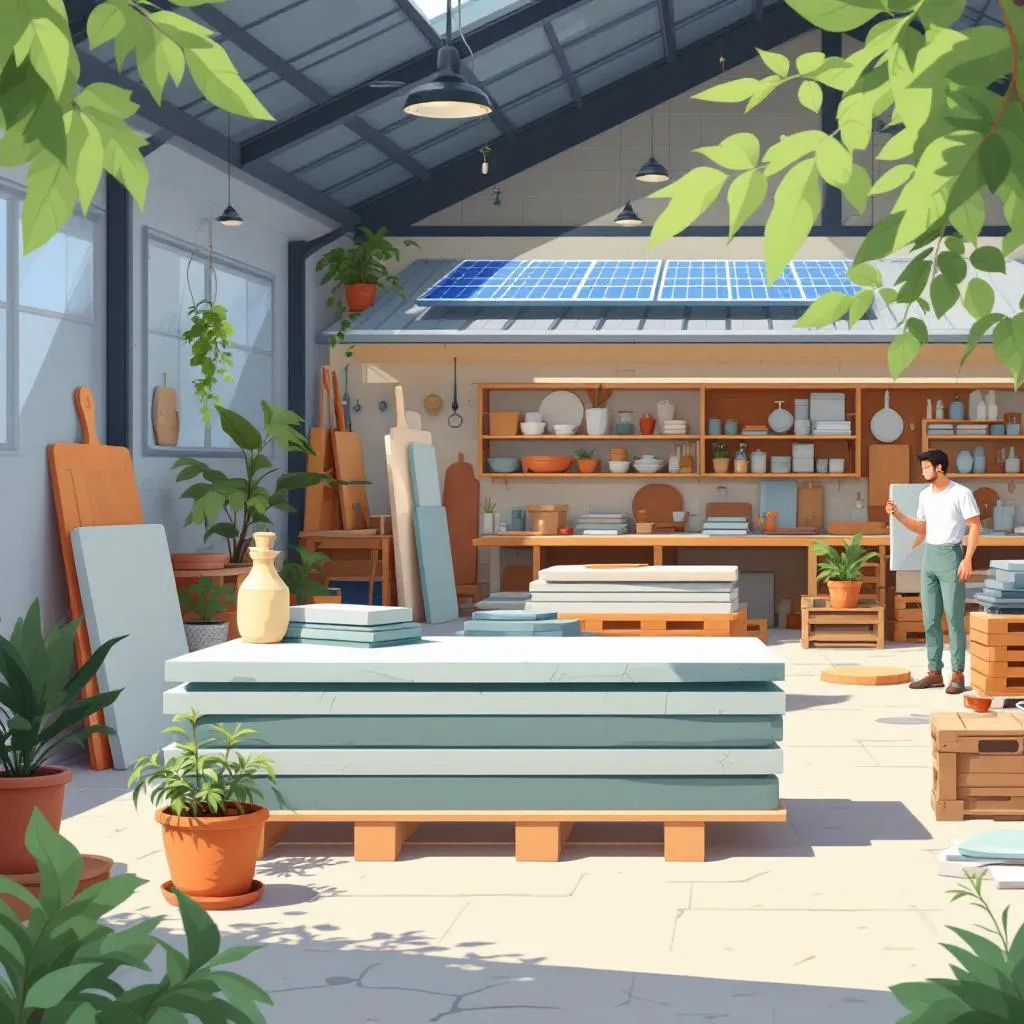
As someone who works with homeowners and designers across Thousand Oaks and the surrounding Los Angeles region, I often get asked about the true environmental footprint of natural stone surfaces. When clients inquire about Soapstone Countertops, they are usually looking for a long-lasting, low-maintenance option that aligns with sustainable living. In this introduction I’ll outline the key environmental considerations so you can make an informed choice for your kitchen or bath.
Why Soapstone Countertops are environmentally friendly
Soapstone is a metamorphic rock primarily composed of talc, which gives it a soft, smooth feel. Its environmental appeal starts with its durability: a well-cared-for slab can last generations, reducing the need for frequent replacements and the waste that accompanies them. Because soapstone does not require chemical sealants the way some engineered surfaces do, its ongoing maintenance tends to produce fewer volatile organic compounds (VOCs) and lower chemical runoff over time. For families in Thousand Oaks and beyond, that translates into better indoor air quality and a smaller cumulative environmental burden.
Sourcing, quarrying, and local impact
How and where soapstone is quarried matters. Locally minded homeowners often ask whether it’s better to source materials nearby to minimize transport emissions. While major quarries for soapstone are not right next door to every Southern California project, responsible suppliers and fabricators can mitigate environmental impacts through careful sourcing practices, recycled packaging, and efficient logistics. In conversations with contractors around Los Angeles, I emphasize the importance of asking suppliers about quarry reclamation plans and the energy intensity of their processing operations.
Longevity, lifecycle, and carbon footprint
One of the strongest sustainability arguments for soapstone is its lifecycle performance. Compared with materials that must be replaced or refinished frequently, soapstone’s longevity reduces embodied carbon per year of service. The stone’s natural resistance to staining and heat means fewer chemical cleaners and less aggressive maintenance, which in turn lowers environmental load over decades. When you consider the total carbon footprint—from extraction to installation to disposal—soapstone often performs well because it requires so little intervention to remain functional and beautiful.
Practical maintenance with a sustainable mindset
Maintaining soapstone is straightforward and eco-friendly when approached correctly. Routine care typically involves mild soap and water, and occasional application of natural mineral oil to enrich the patina. Avoiding harsh acid-based cleaners preserves the stone and prevents toxic runoff from entering local water systems. For homeowners in Thousand Oaks and the Los Angeles area, this is especially relevant as we all aim to protect regional watersheds while keeping homes healthy and attractive.
Design flexibility and reuse potential
Beyond durability and low maintenance, soapstone’s aesthetic versatility supports sustainable design choices. It can be repurposed or salvaged more easily than many engineered surfaces, making it a sensible choice for renovation projects where reuse is a priority. Working with fabricators who offer remnant programs or who can cut slabs for secondary uses extends the life of material and reduces waste sent to landfills. Midway through a renovation, I often direct clients to resources that show creative reuse—this practical mindset is part of what makes soapstone a responsible option.
For those still weighing options, consider how a single material choice fits into the larger picture of home sustainability: energy efficiency, appliance selections, and indoor air practices all interact with the countertop you select. In the middle of the decision-making process many homeowners find comparative photos and real-life examples most helpful, which is why I sometimes point clients toward trusted product pages like Soapstone Countertops for visual reference and technical details.
Common environmental concerns and real-world answers
Concerns about quarrying impacts and transportation are legitimate, but they can be addressed through transparency and thoughtful procurement. Ask your supplier about environmental policies, whether they recycle water in processing, and how they manage quarry rehabilitation. Many fabricators in Southern California are increasingly adopting greener practices, and choosing a vendor who prioritizes these steps makes a measurable difference.
FAQ
Q: Are soapstone countertops better for indoor air quality?
A: Yes. Soapstone is inert and does not off-gas VOCs the way some synthetic surfaces might. Because it doesn’t require regular chemical sealants, it can contribute to improved indoor air quality in homes across Thousand Oaks and Los Angeles.
Q: How long will a soapstone countertop last?
A: With normal use and routine care, soapstone can last for generations. Its durability and resistance to heat and staining mean fewer replacements over time, which reduces long-term environmental impact.
Q: Is soapstone easy to repair if it gets scratched?
A: Minor scratches and marks can usually be sanded out by a skilled fabricator or restored at home with light abrasion and oiling. This reparability is an important sustainability advantage because it extends the material’s useful life.
Thinking about making a sustainable choice for your home?
If you’re in Thousand Oaks or the greater Los Angeles area and want a countertop that balances beauty, durability, and environmental responsibility, consider exploring Soapstone Countertops. I’m happy to help you evaluate samples, discuss sourcing practices, and plan for a kitchen or bathroom that reflects both style and stewardship. Reach out to a local expert to discuss your project and how soapstone might fit into your sustainable design goals.
Dr. Ahdout
2300 Corporate Center Dr, Thousand Oaks, CA 91320, United States
Phone: Find us on Google Maps