
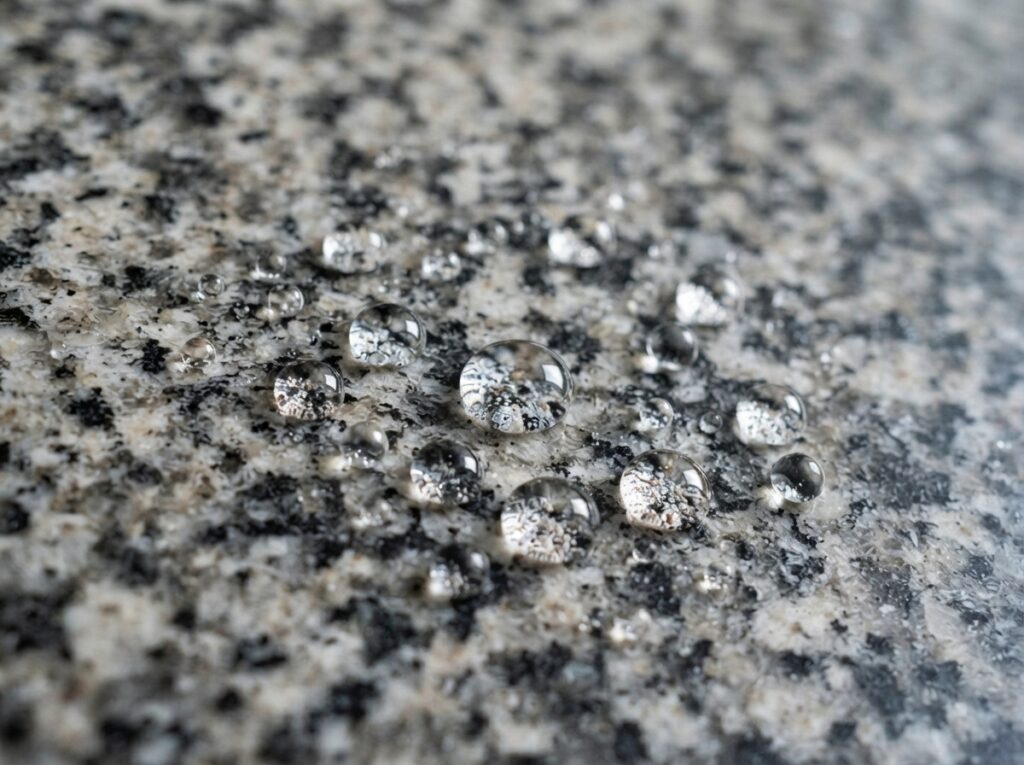
Natural stone shower maintenance is an important consideration for homeowners who appreciate the beauty of marble, quartzite, granite, and other natural materials. A well-chosen stone slab can bring distinctive colors, elegant veining, and timeless character to a bathroom, but maintaining its appearance requires the right cleaning habits.
Shower surfaces experience daily exposure to water, soap, shampoo, humidity, and mineral deposits. Without appropriate care, these conditions can contribute to water spots, residue buildup, and changes in the stone’s appearance.
Fortunately, caring for natural stone does not have to be complicated. Understanding the material and following a consistent maintenance routine can help preserve its beauty over time.
At Arena Marble & Granite in Thousand Oaks, CA, we help homeowners explore premium stone slabs for shower walls, niches, benches, and other slab-based bathroom improvements. Our team also provides material-specific care guidance during the selection process.
This guide explains practical cleaning methods, sealing considerations, and common maintenance mistakes to help you choose and care for natural stone shower surfaces.
Understanding maintenance is only one part of selecting the right shower material. Before purchasing, explore our shower slab buying guide to review material suitability, slab dimensions, surface finishes, and important fabrication considerations.
Natural Stone Shower Maintenance: Daily and Weekly Cleaning
The most effective maintenance routine begins with simple, consistent habits. Rather than waiting for heavy residue to accumulate, regular care can make shower surfaces easier to manage.
Use a Squeegee After Showering
One of the simplest ways to reduce water spots and soap residue is to use a soft, clean squeegee after showering.
Removing excess water from suitable stone surfaces helps limit the mineral deposits that can remain when water evaporates.
This habit is especially useful in areas where water contains significant dissolved minerals.
Use gentle pressure and avoid tools with damaged or abrasive edges. For textured surfaces, a soft cloth may be more appropriate depending on the stone’s finish.
Pay attention to corners, lower wall sections, and other places where water tends to collect.
Choose a pH-Neutral Stone Cleaner
Natural stone should generally be cleaned using products formulated for the specific material and finish.
A pH-neutral, stone-safe cleaner is often a suitable choice for routine maintenance.
Avoid assuming that a product labeled as a general bathroom cleaner is safe for marble, travertine, limestone, or other natural stones.
Some household cleaners contain acids or harsh ingredients that can damage sensitive surfaces.
Follow the cleaning product’s instructions and always test it in a small, inconspicuous area before using it on a visible surface.
Use Soft Cleaning Tools
Soft microfiber cloths, nonabrasive sponges, and suitable cleaning tools can help remove everyday residue without unnecessarily scratching the stone.
Avoid steel wool, aggressive scrub pads, and abrasive powders unless a stone-care professional specifically approves a treatment for the material.
Different finishes may also require different cleaning techniques.
For example, a polished marble surface and a textured granite slab may respond differently to the same cleaning tool.
Maintain Bathroom Ventilation
Good ventilation helps reduce the amount of time moisture remains in the bathroom after showering.
Use an appropriately functioning exhaust fan and allow the shower area to dry when possible.
Ventilation does not replace regular cleaning or a properly constructed waterproof shower system, but it can support a healthier moisture-management routine.
If persistent dampness, recurring discoloration, or moisture damage appears, consult a qualified professional to evaluate the underlying cause.
Understanding Sealing Requirements for Different Shower Stones
One of the most common questions about natural stone showers is whether the slabs require sealing.
The answer depends on the stone’s composition, porosity, finish, and exposure conditions.
Marble, Travertine, and Limestone
Marble, travertine, and limestone are calcium-based natural stones that can create beautiful bathroom surfaces.
However, they are sensitive to acidic substances and may develop etching when exposed to certain cleaning products.
Depending on the specific material, an appropriate penetrating sealer may help reduce the absorption of some staining substances.
Sealing does not prevent acid etching or make the stone completely stain-proof.
These materials require careful cleaning with products suitable for calcium-based stone.
Granite and Quartzite
Granite and quartzite are appreciated for their durability and natural patterns.
However, not every granite or quartzite slab has the same porosity or sealing requirements.
Some materials may benefit from periodic sealing, while others may require different maintenance approaches.
Before selecting a slab, ask about its characteristics and recommended care routine.
Avoid following a universal sealing schedule without considering the stone, the sealer used, and the manufacturer’s instructions.
Soapstone
Soapstone differs from many other natural stones because it is generally nonporous and does not require sealing.
Its smooth, naturally matte appearance can complement contemporary or traditional bathroom designs.
However, soapstone is softer than granite and quartzite, so scratches and surface marks may develop over time.
Some homeowners appreciate the natural patina that develops with use, while others prefer materials that maintain a more consistent appearance.
How Often Should Natural Stone Be Resealed?
There is no single resealing interval appropriate for every natural stone shower.
The timing depends on the material, surface finish, type of sealer, cleaning products, and level of moisture exposure.
Follow the stone and sealer manufacturer’s recommendations. If the surface develops unusual absorption, persistent staining, or other concerns, seek guidance from a qualified stone-care professional.
Remember that sealing is intended to improve resistance to certain stains. It does not replace waterproofing or correct defects in a shower assembly.
Common Stone Shower Problems and How to Prevent Them
Even a carefully selected shower slab can develop visible residue or surface changes without suitable maintenance.
Recognizing the difference between routine cleaning issues and potential material damage is important.
Water Spots and Mineral Deposits
Water spots often develop when moisture evaporates and leaves minerals behind.
Regularly removing excess water can help reduce this buildup.
For existing deposits, use only a cleaning product approved for the specific stone and finish.
Do not use vinegar, lemon juice, or acidic descalers on marble, limestone, or travertine. These products can cause etching.
If deposits are extensive, professional cleaning may be necessary to avoid damaging the surface.
Soap Scum and Product Residue
Shampoo, body wash, conditioner, and other shower products can contribute to residue buildup.
Regular cleaning with a suitable stone-safe product can help prevent thick deposits from forming.
Rinse according to the cleaner’s instructions and remove excess moisture afterward.
Avoid mixing household chemicals or using aggressive cleaning products in an attempt to remove stubborn buildup.
Etching, Scratches, and Surface Changes
Etching is different from ordinary staining. On acid-sensitive stones, chemical reactions can alter the surface finish and create dull areas.
Sealers do not generally prevent this type of damage.
Scratches can also develop from abrasive tools, hard objects, or everyday contact, depending on the material.
If a shower slab shows etching, deep scratches, or unusual discoloration, consult a qualified stone restoration professional rather than attempting aggressive home treatments.
Pay Special Attention to Niches and Benches
Shower niches and benches deserve attention because they often contain horizontal surfaces where water and personal-care products can remain.
Remove standing water when practical and clean these surfaces with products appropriate for the selected material.
Persistent pooling may indicate an issue with slope or drainage that requires professional evaluation.
If your project includes a recessed shelf or built-in seating area, explore our shower niche and bench design guide to learn how material selection, edges, and fabrication details influence these features.
Choosing Shower Slabs With Long-Term Care in Mind
The best time to understand a shower material’s maintenance requirements is before purchasing it.
Natural stone offers distinctive beauty, but homeowners should select materials that match their willingness to perform routine care.
For example, someone who appreciates classic marble veining may be comfortable with careful cleaning and the possibility of natural surface changes.
Another homeowner may prefer a material with different care characteristics, such as suitable porcelain slabs.
Engineered quartz may also be considered only when the exact product is approved by its manufacturer for the intended shower application.
Before selecting a slab, review its appearance, finish, wet-area suitability, cleaning requirements, and fabrication specifications.
At Arena Marble & Granite, we help homeowners compare natural and engineered stone materials for shower walls, niches, and benches.
Our team focuses on premium materials, custom stone fabrication, and slab-based improvements. We do not provide shower installation, waterproofing, plumbing, tile installation, or complete bathroom remodeling services.
Visit our Shower Remodel stone slab page to learn more about our material selection and fabrication options.
For additional information about cleaning products and stone care, explore our Stone Care guide.
Frequently Asked Questions About Natural Stone Shower Maintenance
How often should I clean a natural stone shower?
Routine cleaning frequency depends on shower use, water quality, and the selected stone. Removing excess water after showering and cleaning regularly with a suitable pH-neutral product can help minimize residue buildup.
Can I use vinegar to clean marble shower walls?
No. Vinegar is acidic and can etch marble, travertine, and limestone. Use cleaning products specifically recommended for the natural stone and finish.
Does sealing make a natural stone shower waterproof?
No. Penetrating sealers can help reduce absorption and staining in certain stones, but they do not replace the waterproofing system required behind shower surfaces.
Do granite and quartzite shower slabs need sealing?
Some granite and quartzite slabs may benefit from periodic sealing, depending on their porosity and finish. Maintenance recommendations should be based on the specific material rather than a universal schedule.
How can I reduce hard water spots on stone shower walls?
Use a suitable soft squeegee or cloth to remove excess water, maintain regular cleaning, and avoid harsh or acidic products. Persistent mineral deposits may require a stone-safe treatment or professional assistance.
Does soapstone require sealing in a shower?
Soapstone generally does not require sealing because of its low porosity. However, its softer surface may develop scratches or a natural patina over time.
Can Arena Marble & Granite help me choose a shower slab?
Yes. Our team can help you compare suitable stone materials, surface finishes, maintenance requirements, and custom fabrication options. We do not provide slab installation or complete bathroom remodeling services.
Explore Natural Stone Shower Slabs in Thousand Oaks, CA
Proper stone care begins with choosing a material that fits your bathroom design and maintenance expectations.
Whether you prefer the natural elegance of marble, the distinctive movement of quartzite, the character of granite, or the matte appearance of soapstone, understanding the material can help you make a confident purchasing decision.
Visit Arena Marble & Granite to explore available natural and engineered stone slabs and discuss custom fabrication options for your shower project.
Our showroom welcomes homeowners, designers, and contractors from Thousand Oaks, Westlake Village, Newbury Park, Oak Park, Camarillo, and nearby communities. Explore our service areas for more information.
Arena Marble & Granite
2300 Corporate Center Drive
Thousand Oaks, CA 91320
Phone: (805) 375-2771
Website: https://arenamarble.com/
Find Arena Marble & Granite on Google Maps.
Ready to compare shower slab materials? Contact Arena Marble & Granite to request a free estimate or visit our Thousand Oaks showroom to explore available stone slabs and custom fabrication options.